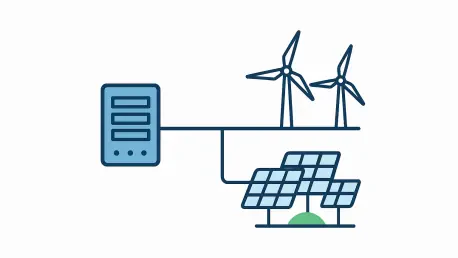
Local leaders emphasized that the moratorium is not a permanent rejection of technology but a necessary step to ensure growth does not compromise the power supply. This decision follows a rapid influx of proposals for hyper-scale facilities intended to support generative artificial intelligence and

Digital marketing and filmmaking industries face an escalating demand for assets that manual 3D production pipelines can no longer sustainably meet. Yiwen Wu has recognized this critical friction point and pioneered a digital revolution that bridges the traditional divide between artisan

Excluding technology trade associations from recent stakeholder workshops has resulted in a regulatory process that fails to account for the technical realities of training models. This disconnect is particularly evident as the European Commission navigates the implementation of Article 4 of the EU

By utilizing Comcast’s global infrastructure, media companies can implement AI-powered workflows without the need for specialized developers or external technical expertise. This strategic move addresses the growing demand for automated media management as platforms face a deluge of content that

The future of enterprise cybersecurity lies in the ability to distinguish between a legitimate autonomous task and a malicious deviation in real-time as agents operate. As modern organizations move from simple automated scripts to complex, agentic AI systems, the fundamental perimeter of defense is

The transition from human-initiated prompts to autonomous inter-agent communication creates invisible data paths that bypass traditional security protocols and manual oversight. This evolution marks the end of the chatbot era and the beginning of the agentic shift, where AI systems operate as