
Manufacturing plants rely on traditional control algorithms for hardware safety, but these systems cannot interpret complex sensor logs or schedule their own technicians. This fundamental limitation highlights the gap between deterministic automation and the cognitive requirements of the modern

Enterprise administrators are increasingly prioritizing governability and accountability by logging every automated action under a unique agent identity. This shift is a direct response to the era of fragmented AI, where workers were forced to toggle between disconnected tools for writing code,
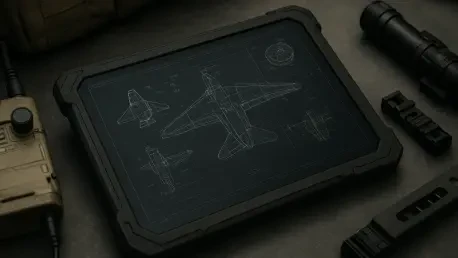
Thread AI and the US Army’s DEVCOM Armaments Center have entered a strategic Cooperative Research and Development Agreement to overhaul the processing of complex fire control data. This partnership focuses on utilizing advanced computational frameworks to manage the massive influx of technical

The transition from static language models to autonomous agents has transformed a minor hallucination into a potential systemic failure capable of compromising entire corporate databases. While early iterations of large language models were confined to text generation, the current landscape of 2026

The race to control the digital cognitive layer has reached a fever pitch as enterprises scramble to move past experimental chatbots toward fully autonomous agents that manage complex corporate workflows. These sophisticated systems no longer simply answer queries but instead execute multi-step
While traditional smart-contract audits provide a snapshot in time, autonomous agents enable continuous auditing by analyzing code paths and unusual behaviors in live environments. This shift represents a necessary evolution in a digital ecosystem where the velocity of capital movement has far