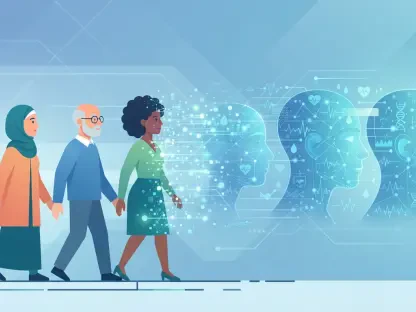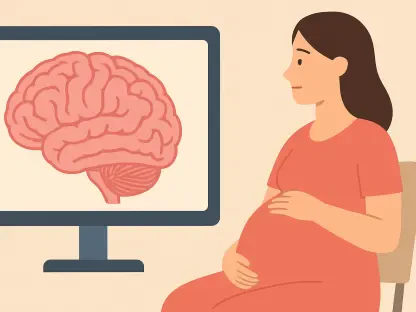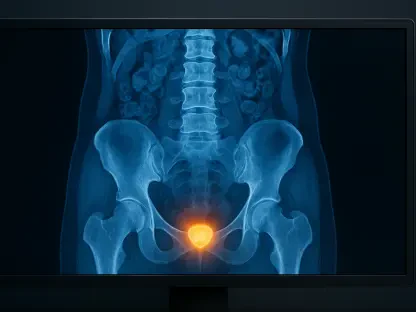

In a remarkable advancement for women’s health, a cutting-edge AI-powered diagnostic tool is emerging as a potential game-changer in the battle against endometriosis and adenomyosis, two chronic conditions that impact millions of women across the globe. For far too long, these disorders have

In a surprising turn of events that has caught the attention of the healthcare technology sector, Bayer, a global leader in pharmaceuticals and life sciences, has announced its withdrawal from the radiology AI platform business. After dedicating five years to developing and promoting its Calantic

In the heart of Malaysia’s bustling telecommunications landscape, CelcomDigi stands as a beacon of innovation, harnessing the power of artificial intelligence (AI) to redefine how businesses operate in the digital age, while also setting a transformative path for the industry. Following the

Today, we're thrilled to sit down with Laurent Giraid, a renowned technologist with deep expertise in Artificial Intelligence, machine learning, and natural language processing. With a keen interest in the ethical implications of AI, Laurent brings a unique perspective to the intersection of
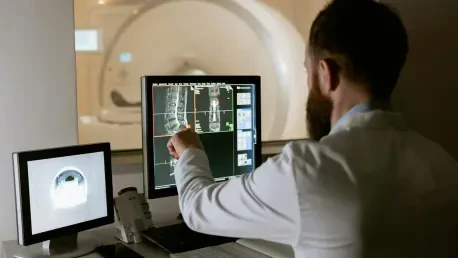
In the high-stakes world of emergency medicine, where every minute can mean the difference between recovery and lasting harm, bone fractures stand out as one of the most frequent and urgent conditions requiring immediate attention. Millions of patients arrive at emergency departments each year with

In a world where cardiovascular diseases continue to pose significant health challenges, groundbreaking research offers hope for millions suffering from conditions like peripheral artery disease (PAD), a debilitating circulatory disorder that restricts blood flow to the limbs and can lead to severe