
The rapid proliferation of generative artificial intelligence has fundamentally altered the landscape of modern songwriting and production, necessitating a sophisticated ethical architecture that prioritizes the rights of human creators over pure technological speed. While the capabilities of large language models and diffusion-based audio generators seem nearly limitless, the industry stands at a critical juncture where the preservation of intellectual property must take precedence. Leaders across the global music scene are now advocating for a structural shift that treats AI not as an inevitable replacement for talent but as a partner that requires strict governance and legal guardrails. By examining the history of digital disruption from 2026 through the next several years, it becomes clear that a proactive stance is the only way to ensure the long-term viability of the artistic profession. This movement seeks to integrate machine learning into workflows while maintaining the emotional intuition and cultural resonance that only a human artist can provide to an audience.
Redefining Digital Rights: The Shift Toward Explicit Consent
A significant point of tension in today’s legal environment is whether record labels possess the inherent authority to license music for AI training without the explicit, itemized permission of the original performers. While traditional contracts often grant labels broad control over master recordings, the process of training a machine to replicate the specific nuance and creative “genius” of a human being is viewed by many as a unique use case that transcends existing boilerplate language. Advocates for creator rights argue that these high-stakes decisions must be handled through clear, negotiated approvals rather than standard blanket licensing agreements that were drafted long before these technologies existed. This debate is currently reshaping how legal teams approach catalog management, as the potential for AI to create derivative works based on an artist’s lifelong body of work demands a higher standard of ethical conduct and more transparent communication between all parties involved.
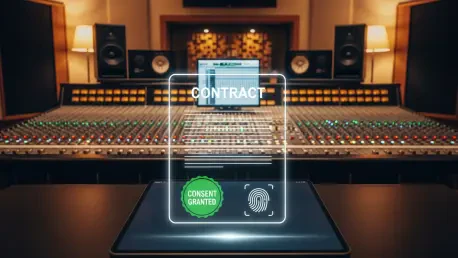
To address these evolving concerns, new industry standards are emerging that favor strict “opt-in” models for all generative AI services, placing the power of choice directly back into the hands of the talent. This creator-first approach ensures that artists maintain absolute control over how their intellectual property is utilized to train the generative models that might eventually compete for listeners’ attention. Furthermore, prominent legal experts are sounding the alarm against overreaching contract terms that might allow major corporations to claim perpetual rights to an artist’s digital voice or physical likeness. Protecting these deeply personal attributes is rapidly becoming a non-negotiable material deal term in modern music negotiations, reflecting a broader cultural shift toward valuing human identity in a world of synthetic media. By prioritizing autonomy, the industry aims to foster a sustainable ecosystem where innovation thrives alongside the protection of individual creative legacy.
Economic Sustainability: Establishing Fair Compensation Models
For any AI framework to be considered truly ethical, it must provide a transparent compensation structure that treats human artists as equal partners in the financial success of these technological platforms. Experts are proposing aggressive royalty models, such as a fifty-fifty profit split, to ensure that creators see a fair and immediate share of the revenue generated by works that utilize AI-assisted tools or training data. It is also vital that these payments are structured to be distributed directly to the artists themselves, effectively bypassing the traditional hurdles of unrecouped balances and administrative debts that often delay financial returns for years. This direct-to-creator financial flow is designed to mitigate the risks of automation by ensuring that the primary sources of creative input remain financially viable. Such models are intended to create a balanced marketplace where technology serves as a revenue multiplier for artists rather than a cost-cutting measure for the platforms.
A crucial pillar of this economic protection involves the absolute integrity of the human voice, which serves as the primary conduit for emotional connection between a performer and their global fan base. Even in complex cases where a record label owns the master recordings, the right to simulate or clone an artist’s unique vocal performance through AI synthesis should remain the exclusive property of the performer. Because the human voice is an intimate extension of a person’s identity and physical being rather than just a collection of digital data points, it requires specific legal protections to prevent unauthorized replication. This distinction ensures that even as the industry adopts new production methods, the core essence of a singer’s brand and personal expression cannot be commodified without their direct participation and profit-sharing. Establishing these boundaries is essential for maintaining the dignity of performers who risk being sidelined by synthetic clones that lack the lived experience of human singers.
Technological Oversight: Ensuring Transparency and Authenticity
As AI-generated content moves beyond experimental stages and into the mainstream commercial marketplace, the music industry must develop robust, automated systems to track and manage these digital assets effectively. While some platforms attempt to contain AI creations within isolated “walled gardens” to control distribution, the reality of the modern digital landscape suggests that content will inevitably spread across diverse streaming and social media services. Establishing a multifaceted strategy for enforcement combined with advanced monetization tools is necessary to protect original rightsholders from unauthorized exploitation of their work. This involves the deployment of sophisticated digital fingerprints and watermarking technologies that can identify AI-influenced content in real-time, allowing for proper licensing and revenue collection. By building this infrastructure now, the industry can avoid the chaotic disruption seen in previous decades and instead create a regulated environment where every creative contribution is accounted for.
Transparency serves as the essential foundation for long-term trust between creators, distribution platforms, and the general public as synthetic media becomes more prevalent in daily life. Sophisticated tracking systems are now required to monitor AI usage from the initial training phase through to the final commercial output, ensuring that every royalty is distributed with absolute accuracy. Without this high level of oversight, the industry risks losing the foundational ability to properly credit and compensate the humans whose work makes machine-generated content possible in the first place. Furthermore, providing clear attribution for songwriters and being honest about the specific role of AI in the creative process helps maintain consumer confidence in the music they consume. If fans feel that the human element has been erased or intentionally hidden, they may withdraw their emotional and financial support, proving that the human connection remains the most valuable asset in the entire music business ecosystem.
Future Considerations: Implementing Actionable Solutions for Global Growth
The industry successfully prioritized the establishment of clear boundaries that defined the intersection of human creativity and machine efficiency during this transformative period. Leaders recognized that the survival of the musical arts depended on moving beyond simple litigation and toward the creation of a proactive, ethical framework that rewarded innovation while penalizing exploitation. Legislators and technology firms cooperated to standardize metadata requirements, ensuring that every AI model operated with a verifiable trail of consent and compensation. This historical shift ensured that the emotional weight of a vocal performance and the intricate brilliance of a composed melody remained protected as the most vital components of the cultural economy. By moving toward a model of partnership rather than replacement, the global music community secured its future, proving that technology functioned best when it served the human spirit. These actions provided a stable foundation for the next generation of artists to explore new horizons without fearing for their identity.