
Unlike the rigid scripts of the past, modern AI agents manage variability and cross-functional coordination to bridge the gap between data silos and actionable insights. The corporate landscape in 2026 is defined by a sophisticated evolution where Robotic Process Automation (RPA) and Artificial

When an AI scans a user's social network to provide personalized assistance, it inherently processes the private data of third-party contacts without their explicit legal consent. This technological advancement represents a pivotal moment in the digital age, as the seamless integration of

The Grave Rave campaign demonstrates that the value of human creative labor has shifted toward curation and strategic direction rather than manual production of assets. This transition marks a historic moment for Ocean Park Hong Kong, as it moves away from traditional photography and videography to

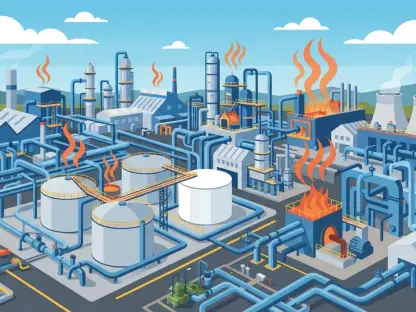
Manufacturing plants rely on traditional control algorithms for hardware safety, but these systems cannot interpret complex sensor logs or schedule their own technicians. This fundamental limitation highlights the gap between deterministic automation and the cognitive requirements of the modern

Enterprise administrators are increasingly prioritizing governability and accountability by logging every automated action under a unique agent identity. This shift is a direct response to the era of fragmented AI, where workers were forced to toggle between disconnected tools for writing code,
While traditional smart-contract audits provide a snapshot in time, autonomous agents enable continuous auditing by analyzing code paths and unusual behaviors in live environments. This shift represents a necessary evolution in a digital ecosystem where the velocity of capital movement has far