
The devastating silence imposed by Amyotrophic Lateral Sclerosis is no longer an insurmountable barrier to human connection as modern breakthroughs in neural engineering reach the clinical stage. Researchers at the University of California, Davis, led by Dr. Sergey Stavisky, have successfully pioneered an AI-powered speech neuroprosthesis that functions with unprecedented speed and accuracy. This technology marks a departure from historical experiments that focused primarily on digital text output, moving instead toward a holistic restoration of the patient’s own vocal identity. For individuals living with neurodegenerative conditions, the gradual loss of the ability to speak is often cited as the most traumatic aspect of the disease, leading to profound social isolation and a loss of personal agency. By leveraging advanced machine learning models, the current research initiatives seek to bypass damaged motor pathways entirely, directly translating the brain’s internal intentions into audible, recognizable speech. This shift ensures that communication remains a fluid, real-time experience, preserving the natural rhythm and emotional nuances that define human interaction. As clinical trials continue to yield impressive results, the focus has broadened from simple word recognition to the nuanced reconstruction of a user’s unique acoustic fingerprint.
Decoding the Brain’s Silent Commands: The Role of BCI Technology
The foundational mechanism of this communicative breakthrough lies in a sophisticated Brain-Computer Interface optimized specifically for the high-bandwidth requirements of speech synthesis. Unlike previous iterations of BCIs that were designed to control external hardware like robotic arms or computer cursors, this specific system targets the intricate neurological commands responsible for vocal articulation. To achieve this, neurosurgeons implant high-density intracortical microelectrode arrays directly into the areas of the brain associated with speech production. These sensors are capable of recording the electrical activity of hundreds of individual neurons simultaneously, providing the raw data stream necessary for complex language decoding. Even when the physical muscles of the tongue, lips, and diaphragm no longer respond to the brain’s signals due to the progression of ALS, the neural architecture responsible for planning those movements remains largely intact. The neuroprosthesis functions as a digital surrogate, intercepting these high-fidelity signals before they reach the weakened physical structures and rerouting them to a powerful processing unit that interprets the intended sounds with surgical precision.
This process of neural decoding is remarkably complex because human speech is one of the most coordinated motor functions the body performs, requiring the synchronized effort of nearly one hundred muscles. The AI system must distinguish between subtle variations in neural firing patterns to differentiate between similar sounds, such as the difference between a “b” and a “p” sound. Current iterations of this technology have achieved a word accuracy rate exceeding 99 percent, a metric that was previously thought to be impossible outside of highly controlled laboratory environments. Furthermore, the latency of the system—the time between the user thinking of a word and the computer generating the sound—has been reduced to approximately 30 milliseconds. This near-instantaneous response time is critical for maintaining the natural flow of conversation, allowing users to interject, emphasize points, and respond to questions without the awkward delays associated with traditional assistive communication devices. By narrowing the gap between thought and expression, the technology provides a seamless experience that mimics the speed of biological speech, effectively restoring the user’s presence in social and professional settings.
The Dual-Stage Architecture: From Phonemes to Natural Voice
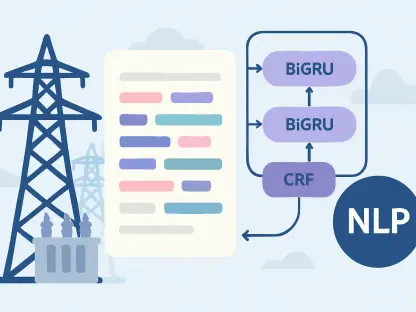
To manage the immense influx of neural data generated by the intracortical arrays, the system utilizes a specialized two-step deep learning pipeline designed for maximum efficiency. The first stage of this architecture is the phonetic decoding layer, which focuses on identifying phonemes—the fundamental building blocks of sound—rather than trying to recognize entire words at once. By training the artificial intelligence to recognize the neural signatures of these individual sounds, the system gains the ability to support an unrestricted and flexible vocabulary. This approach is superior to older word-based models because it allows the user to say anything they want, including technical jargon, slang, or names that were not present in the original training set. The phonetic layer acts as the foundation, converting the chaotic electrical pulses of the brain into a structured sequence of sounds that represent the user’s intent. This granular level of analysis ensures that even the most complex linguistic structures can be decoded with high fidelity, providing a level of expressive freedom that was once lost to the limitations of standard medical software.
The second stage of the pipeline incorporates Large Language Model architectures to refine the raw phonetic output into grammatically coherent and contextually relevant sentences. This linguistic processor functions as a highly advanced neural autocorrect, utilizing its vast understanding of language patterns to resolve ambiguities in the phonetic data. For instance, if the phonetic layer detects sounds that could represent multiple similar words, the LLM analyzes the surrounding context to determine the most likely intended meaning. Beyond mere text generation, this technology incorporates a “straight-to-voice” synthesis model that reconstructs the actual acoustic properties of the user’s original voice. By training the AI on pre-recorded audio samples from the patient’s life before the onset of the disease, researchers can generate a synthetic voice that carries the same pitch, timbre, and accent as the user’s natural speech. This allows for the expression of personality and emotion, which are essential components of human connection that text-to-speech programs often fail to capture. The result is a communication tool that does not just convey information, but restores the user’s identity to their family and peers.
Clinical Impact: Evaluating Real-World Communicative Success
The practical efficacy of this AI neuroprosthesis was demonstrated through an extensive two-year home trial involving a participant with advanced ALS who had lost all ability to speak naturally. During this period, the individual was able to generate over 2.7 million words through brain signaling alone, marking one of the most successful applications of BCI technology in medical history. This success translated into immediate improvements in quality of life, as the participant was able to regain communicative independence within their household and maintain active participation in daily family decisions. The ability to express complex thoughts and feelings in real-time allowed the user to move past the frustration of being a passive observer in their own life, effectively re-establishing their role as an active communicator. These results proved that the technology is no longer a theoretical concept relegated to scientific papers but a functional, reliable tool that can withstand the rigors of daily use outside of a clinical setting. The stability of the neural sensors over this two-year period also provided critical data on the longevity of these implants, suggesting that they can offer long-term solutions for patients.
The research also highlighted a significant shift in the field of neuroprosthetics toward prioritizing the specific needs and desires of the patient community. Early efforts in neural engineering were heavily weighted toward restoring physical movement, such as walking or grasping objects, under the assumption that these were the primary concerns of paralyzed individuals. However, consistent feedback from the ALS and paralysis communities revealed that the ability to speak and interact socially was often considered a higher priority for mental well-being and social integration. By aligning technological development with these human-centric goals, researchers have addressed the psychological and emotional challenges of living with neurodegenerative diseases more effectively. This alignment has led to faster adoption of the technology and more enthusiastic participation in clinical trials, as patients see a direct path to regaining their most vital human faculty. The success of this approach underscored the importance of empathy in engineering, ensuring that the final product serves the actual needs of the people it is intended to help rather than just achieving technical milestones.
Universal Accessibility: Expanding the Reach of Neural Restoration
As the core technology behind speech neuroprosthetics continues to mature, the focus of the scientific community has shifted toward making these systems more practical for broad clinical application. One of the primary engineering challenges currently being addressed is the miniaturization of the hardware and the development of fully wireless, internal medical implants. Current systems often require a physical connection between the skull-mounted sensors and an external computer, which can limit mobility and increase the risk of infection. Moving toward a completely internal, wireless system would allow patients to use the technology anywhere, whether they are at home, in a medical facility, or traveling. This evolution involves creating low-power processors that can handle complex AI computations within the implant itself, reducing the need for heavy external equipment. By streamlining the physical footprint of the device, the technology becomes a less intrusive part of the patient’s body, facilitating a more natural and integrated user experience that mimics the unobtrusive nature of a pacemaker or a cochlear implant.
The final phase of this technological journey involved the expansion of decoding logic to assist a wider range of patients beyond the ALS community, including those recovering from severe strokes or traumatic brain injuries. This development proved that the fundamental principles of neural speech restoration were universally applicable to various forms of expressive aphasia and motor speech disorders. The path forward focused on refining the AI algorithms to accommodate different linguistic structures and diverse dialects, ensuring that the benefits of the neuroprosthesis were accessible to people regardless of their native language or cultural background. The successful implementation of these systems in clinical practice established a new standard of care where neurological conditions no longer necessitated a life of total silence. By building a sustainable infrastructure for neural communication, medical professionals provided a definitive solution to the isolation caused by speech loss. This progress suggested that the integration of artificial intelligence and neurotechnology would continue to serve as a vital bridge for human agency, ensuring that every individual maintained the right to be heard.