
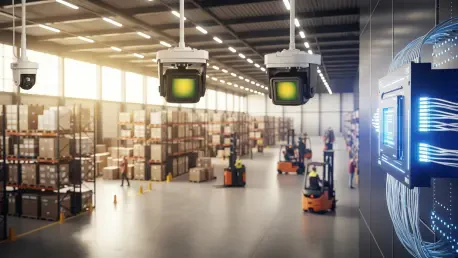
The global security landscape is currently undergoing a fundamental transformation as artificial intelligence transitions from an optional feature to the central nervous system of modern video surveillance systems. Recent industry valuations indicate that the global market for AI-driven monitoring

Imagine standing in a quiet kitchen on a cold Tuesday morning, trying to renew a critical prescription, only to find yourself trapped in an endless loop of misunderstood voice commands from a software program that cannot grasp the urgency of a chronic condition. Kinney Drugs, a staple of community

The prevailing corporate anxiety regarding generative artificial intelligence frequently centers on the misplaced fear that every sensitive prompt is permanently etched into a model’s neural architecture for eternity. This misunderstanding stems from a fundamental conflation of how large language

The reliance on cloud-based systems for artificial intelligence has long created a bottleneck for developers who require consistent, high-speed access to massive computing resources without the recurring costs of subscription-based APIs. At the recent Advancing AI 2026 summit, AMD and Hugging Face

The rapid integration of generative artificial intelligence into the core workflows of global corporations has created a significant paradox where the hunger for high-quality training data clashes directly with modern privacy mandates. In 2026, the stakes are higher than ever, as a single leaked

The integration of generative artificial intelligence into the core of enterprise operations has historically been hampered by a fundamental conflict between the rapid pace of innovation and the non-negotiable requirements of data security. As major organizations seek to harness the power of large