
The evolving relationship between humans and computers is characterized by a move toward proactive partnership rather than simple instruction-based operation. This transformation is currently visible through the silent transition from cloud-dependent tools to fully autonomous personal assistants

Human judgment remains indispensable for fact-checking and protecting data privacy even as generative AI tools become more prevalent in science communication. The Department of Science and Technology Region 1 recently addressed this technological shift by organizing a specialized technical session

Maintaining a clear audit trail of data access and retention periods is essential for building public trust and ensuring agency transparency. As artificial intelligence and sophisticated surveillance systems become deeply embedded in American law enforcement, a natural tension has emerged between

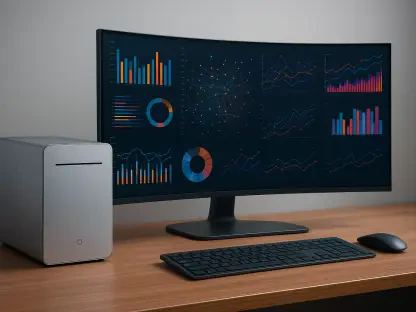
Microsoft Copilot for Power BI offers a native experience that allows creators to generate entire report pages and summaries using only text prompts. This technological leap marks a definitive end to the era of manual, labor-intensive dashboard construction, ushering in a period where the barrier

OpenAI's new model for data sovereignty allows organizations to receive metadata signals about risks without exposing the actual substance of their communications. This development represents a pivotal response to the escalating security demands of a global economy increasingly reliant on

Approximately 65 percent of AI vendors fail to explicitly state how long they store user data, leaving sensitive business information in a permanent state of vulnerability. This staggering discovery, emerging from the most recent industry-wide assessment of global artificial intelligence companies,