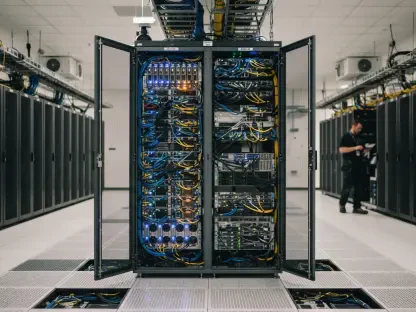

The rapid integration of artificial intelligence into core enterprise operations has exposed a significant gap between modern workloads and aging infrastructure that was originally designed for far simpler tasks. Traditional network architectures, which were optimized for predictable traffic

The relentless expansion of artificial intelligence applications is currently pushing the boundaries of global semiconductor infrastructure, demanding a fundamental shift in how chips are conceptualized and manufactured. While the industry previously relied on simple transistor scaling to gain
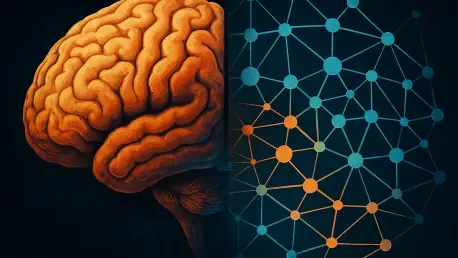
The realization that artificial intelligence can mirror biological cognitive processes has shifted from a theoretical curiosity into a rigorous framework for deciphering the intricate mechanics of the human mind. Recent breakthroughs in recurrent neural networks and transformer architectures have
The modernization of clinical pathology has reached a significant milestone where artificial intelligence now interprets whole-slide images through the sophisticated lens of human-like dialogue and complex reasoning. Traditional artificial intelligence tools in this field typically relied on narrow

The pharmaceutical industry stands at a critical juncture where the primary challenge has moved beyond simply acquiring more data to effectively integrating artificial intelligence into the delicate reality of laboratory-based drug research. According to life sciences expert Dr. Raminderpal Singh,

A chief executive officer sitting in a boardroom today can no longer wait for quarterly reports to understand why a specific product line is underperforming in a specific region like the Pacific Northwest. The traditional delay between customer dissatisfaction and executive awareness has