
The rapid evolution of large-scale diffusion models and generative pre-trained transformers has transformed the landscape of modern advertising from a manual craft into an automated high-velocity production line. Today, the challenge is no longer the generation of visual or textual content, as

The sudden transition from reliance on massive, centralized data centers to localized high-performance computing represents one of the most significant shifts in the digital architecture of the late twenty-twenties. Tether’s AI Research Group has catalyzed this movement by releasing the open-source
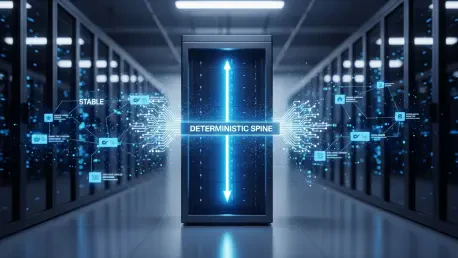
The silent collapse of a multi-million-dollar automated supply chain workflow often begins with a single timed-out request to a remote server, leaving an enterprise agent stranded in a digital vacuum without a map or a memory. This fragility represents the hidden cost of the initial wave of
Laurent Giraid is a seasoned technologist whose work sits at the intersection of machine learning and structural AI ethics. With a background in natural language processing, he has watched the industry move from simple predictive text to autonomous agents capable of managing entire software

The modern financial landscape has shifted dramatically as the twenty-two billion dollar market for digital asset automation continues to redefine how individual and institutional participants approach liquidity and volatility management. Navigating this environment successfully requires a deep

The persistent barrage of unwanted push notifications from dubious websites has transformed from a minor inconvenience into a significant cybersecurity vulnerability for mobile users globally. While these alerts were originally intended to keep individuals informed about real-time updates,