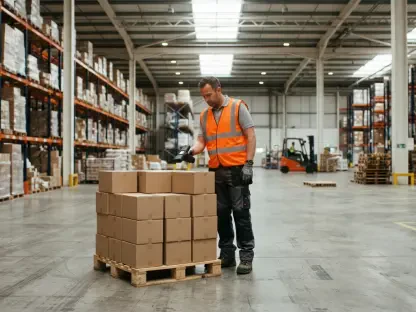

SKU-level packaging presets prevent companies from being penalized for shipping air through inefficient dimensional weight calculations during peak volume months. This technical optimization serves as a foundational step in building a broader strategy for logistical resilience across the global supply chain. The fourth-quarter shipping peak represents an unforgiving test of endurance for global commerce, where extreme volumes and narrow delivery windows collide with high consumer expectations. To survive this operational pressure cooker, logistics leaders are moving beyond reactive management and adopting a proactive, AI-driven playbook. This strategic shift transforms logistics from a struggle against carrier deadlines into a streamlined system that protects profit margins and maintains brand integrity despite systemic pressures. By integrating machine learning and real-time data processing, organizations can now anticipate disruptions rather than merely responding to them after they occur. This level of foresight is no longer a luxury but a baseline requirement for high-volume retail.
Navigating Operational Deadlines and Border Compliance
Modern logistics operations no longer treat carrier-published shipping cutoffs as guaranteed final deadlines during the peak season. Instead, resilient networks implement internal buffers of 48 to 72 hours to account for transit variances caused by winter weather or facility bottlenecks. By setting earlier ordering cutoffs for consumers, businesses create a necessary cushion for warehouse staging and packing, ensuring that transit delays do not translate into missed delivery promises. This proactive approach allows teams to manage workloads more evenly, preventing the chaotic last-minute rushes that lead to labeling errors or damaged goods. Furthermore, these internal buffers provide a safety net when local sorting hubs become oversaturated, a common occurrence during the height of the shopping season. By communicating these realistic timelines clearly at the digital storefront, companies manage expectations from the first click, effectively turning a potential logistics failure into a demonstration of reliable service and operational integrity.
Global trade complexity is further mitigated through upstream data synchronization and automated customs documentation. By leveraging AI to assign Harmonized System codes and pre-populate electronic declarations at the moment an order is imported, shippers can bypass traditional border bottlenecks. This automation ensures that shipments are cleared before they even arrive at a port of entry, preventing the costly holds and manual paperwork errors that often derail international logistics during high-volume periods. Beyond simple documentation, these intelligent systems monitor changing trade regulations in real time, adjusting tax and duty calculations instantly to maintain compliance across diverse jurisdictions. This level of automated oversight reduces the need for manual intervention, which is often the primary source of delay during peak periods. Consequently, international customers receive their packages with the same predictability as domestic ones, expanding the reach of brands into global markets without the typical administrative friction or delivery uncertainty.
Strengthening Supply Chains Through Multi-Carrier Strategies
Building a resilient ecosystem requires the elimination of single points of failure by diversifying carrier networks. Intelligent routing tools now use automated business rules to evaluate package weight, destination zones, and delivery speeds in real time, dynamically assigning the most efficient carrier for every parcel. This approach incorporates regional carriers and hybrid services to provide cost-effective alternatives to major national carriers, allowing brands to maintain agility when primary networks become overtaxed. These routing engines do more than just find the lowest price; they analyze historical performance data to predict which carrier is most likely to meet a specific delivery window given current network congestion. This dynamic allocation shifts volume away from strained carriers toward those with available capacity, maintaining a steady flow of goods. By diversifying, businesses also gain leverage during contract negotiations, as they are no longer beholden to a single provider’s fee structure or capacity constraints during the busiest months of the year.
Automation also serves as a critical shield against the escalating surcharges and hidden costs typical of the peak season. AI tools perform automated address validation at the point of intake to eliminate expensive correction fees and misrouted shipments, while sophisticated algorithms monitor for potential demand fees and residential delivery premiums. Furthermore, conversational analytics allow managers to monitor cost spikes in real time, enabling rapid adjustments before operational expenses erode seasonal profits. Instead of digging through static spreadsheets, logistics professionals can query data using natural language to identify why specific lanes are becoming more expensive or where packaging inefficiencies are occurring. This immediate access to financial intelligence allows for tactical shifts, such as moving certain inventory closer to high-demand regions or adjusting shipping methods for specific product categories. Ultimately, this granular control over variable costs ensures that increased sales volume translates into actual profit rather than being absorbed by avoidable penalties.
Future-Proofing Performance: Strategies for Logistical Agility
The true measure of a resilient logistics network is how it handles the inevitable transit exceptions that occur during a surge. Rather than relying on generic estimates, brands use automated visibility tools to provide accurate, real-time delivery windows and proactive notifications when delays happen. This transparent communication resolves delivery anxiety and reduces the burden on support teams, ensuring that customer trust remains intact even when external conditions challenge the supply chain. When an exception occurs, such as a weather-related grounding, the system automatically triggers a personalized alert to the recipient with updated expectations. This shifts the dynamic from a customer calling to complain to a brand proactively solving a problem. This level of transparency also extends into the warehouse, where staff can see exactly which packages are at risk of missing their deadlines. By prioritizing these at-risk orders through automated queue management, companies can often recover from delays before they impact the final delivery date.
Successful organizations prioritize the integration of modular AI platforms that connect seamlessly with existing warehouse management systems. Instead of attempting a full-scale overhaul, logistics leaders focus on high-impact areas like automated routing and proactive exception management. They adopt a strategy of continuous testing, running simulations during quieter months to ensure that the AI rules hold up under the strain of extreme holiday volume. Furthermore, the move toward hybrid shipping models has proven to be a decisive factor in maintaining service levels when major national carriers reach maximum capacity. The data collected from these automated processes provides the foundation for more accurate demand forecasting in subsequent cycles. Future success will depend on the ability to treat logistics as a dynamic data challenge rather than a static physical one. Companies that invest in these technologies not only survive the seasonal surge but also establish a permanent competitive advantage by lowering their baseline operational costs.