
The relentless evolution of enterprise software has reached a critical milestone where energy conglomerates are no longer satisfied with simple data alerts but are instead demanding systems that can think. This paradigm shift is currently being led by Shell, which has moved beyond conventional predictive models to embrace a more autonomous framework through its partnership with C3 AI. By monitoring over 30,000 global assets, the company is demonstrating how agentic AI can transform the traditional maintenance lifecycle into a self-driven process. This article explores the mechanics of this technological transition, focusing on the move from anomaly detection to independent reasoning and the resulting impacts on industrial efficiency.
The scope of this discussion encompasses the strategic integration of AI agents that manage the full spectrum of equipment health, from initial sensing to final repair execution. Readers will learn how these autonomous entities bridge the gap between digital insights and physical actions, effectively solving long-standing bottlenecks in heavy industry. Furthermore, the analysis highlights the fusion of operational and information technology, showing how high-frequency sensor data and business logistics are combined to create a unified, intelligent workflow.
Key Questions or Key Topics Section
What Distinguishes Agentic AI From Traditional Predictive Maintenance?
In the previous era of industrial digitalization, machine learning was primarily used to flag deviations in sensor data that suggested a potential machine failure. While these early warning systems were revolutionary for their time, they remained essentially passive, requiring human engineers to sift through data to determine the cause of an alert. This often led to alert fatigue and delayed responses, as the system could identify that “something” was wrong but could not explain the context or the severity of the issue without significant manual investigation.
Agentic AI introduces a sophisticated layer of logical reasoning that moves beyond mere detection. Instead of just notifying an operator of a vibration anomaly in a turbine, the agent autonomously gathers high-frequency sensor feeds and cross-references them with structured business data. It analyzes historical maintenance logs, environmental variables, and upstream process changes to understand the root cause of the behavior. Moreover, the agent can differentiate between a minor sensor glitch and a genuine mechanical threat, providing a level of diagnostic clarity that was previously impossible.
This evolution is fundamentally about the transition from identifying a problem to formulating a solution. By utilizing advanced reasoning capabilities, these agents act as digital investigators that operate around the clock. They do not wait for human prompts to begin an inquiry; instead, they activate the moment a deviation is spotted. This proactive approach ensures that by the time a human operator is involved, they are presented with a complete dossier of information rather than a raw data point that requires further digging.
How Does Shell Resolve the Last Mile Challenge in Industrial Maintenance?
One of the most significant hurdles in industrial operations is the “last mile” problem, which refers to the administrative delay between identifying a mechanical issue and completing the physical repair. Traditionally, even the most accurate predictions would get stuck in a bureaucratic web of work order drafting, inventory verification, and procurement approvals. This lag time often meant that a predicted failure could actually occur before the necessary parts and personnel were organized to prevent it.
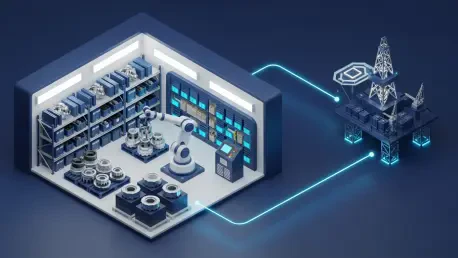
The agentic framework addresses this by automating the clerical and logistical tasks that typically slow down human workflows. Once an agent confirms a mechanical issue, it can automatically draft a detailed technical work order within the SAP environment. It checks the existing inventory for spare parts and, if the required components are not available, it can even generate a procurement request. By handling these administrative prerequisites, the AI ensures that the maintenance team can focus entirely on the physical repair, significantly reducing the lead time for critical interventions.
Moreover, this automation protects production schedules by ensuring that maintenance is strictly condition-based. Instead of following rigid calendars that might lead to over-maintaining healthy machines, the system allows Shell to intervene only when the AI determines it is absolutely necessary. This precise timing not only saves money on parts and labor but also prevents the introduction of new faults that can occur when perfectly functional machinery is unnecessarily dismantled.
What Are the Tangible Economic and Safety Benefits of This Integration?
The economic implications of moving toward an autonomous maintenance model are staggering, with current estimates suggesting benefits totaling hundreds of millions of dollars. By reducing unplanned downtime, Shell can maintain steady production rates in its upstream and downstream facilities, avoiding the massive costs associated with emergency shutdowns. The ability to predict and autonomously prepare for repairs means that the company can optimize its supply chain and labor resources with unprecedented accuracy.
Safety and environmental stewardship are also major drivers behind this technological shift. Catastrophic equipment failures in the energy sector can lead to hazardous leaks, fires, or other incidents that pose risks to both personnel and the surrounding ecosystem. Agentic AI serves as a tireless sentry, identifying and mitigating these risks long before they escalate into dangerous situations. By maintaining high-fidelity control over asset health, the system ensures that operations remain within safe parameters, reinforcing a culture of prevention rather than reaction.
Furthermore, the collaboration with Microsoft Azure provides a robust infrastructure that allows these agents to operate at a global scale. The integration of Operational Technology and Information Technology creates a seamless loop of data that informs every decision. This holistic view of the enterprise allows Shell to extend the lifespan of its most expensive assets. By using data-driven insights to manage the health of compressors, pumps, and turbines, the organization ensures that its physical infrastructure remains resilient in a demanding global market.
Summary or Recap
The integration of agentic AI at Shell represents a major leap in how global enterprises manage complex physical assets. By shifting the burden of reasoning and administrative logistics from humans to autonomous agents, the company is effectively closing the gap between digital insight and physical action. These agents provide deep contextual analysis, automate the procurement of spare parts, and streamline the creation of work orders within existing business systems like SAP. This comprehensive approach not only saves significant capital but also enhances the overall safety and reliability of energy production. The partnership with C3 AI demonstrates that the future of industrial maintenance lies in the ability of software to act as an independent, intelligent partner in the field.
Conclusion or Final Thoughts
The transition toward autonomous agents reflected a fundamental change in the relationship between human operators and their machines. As the system proved its reliability, the focus shifted from managing alerts to overseeing the strategic outcomes of AI-driven decisions. The success of this model suggested that the next logical step involved the further decentralization of decision-making, where trust in autonomous reasoning reached a level that allowed for fully automated responses in specific environments. Organizations that successfully adopted these workflows positioned themselves to handle the complexities of the energy transition with greater agility. The move toward agentic AI was not merely a technical upgrade; it was a reimagining of industrial resilience that prioritized proactive safety and operational excellence.