
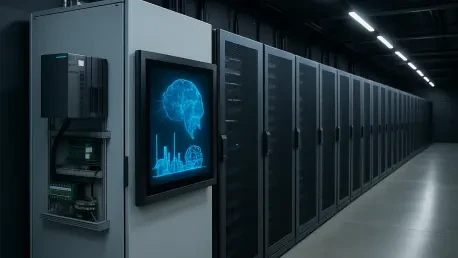
The convergence of artificial intelligence and physical manufacturing has reached a critical inflection point where the demand for real-time data processing often exceeds the capabilities of traditional factory floor infrastructure. As manufacturers transition from experimental pilot programs to
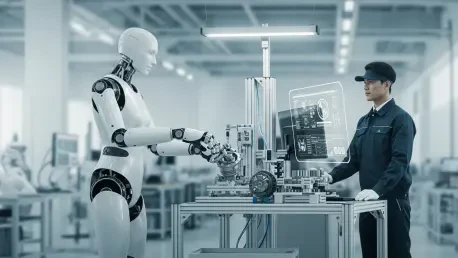
Laurent Giraid stands at the forefront of the next industrial revolution, where the lines between digital intelligence and physical machinery blur. As an expert in machine learning and the ethics of automation, he has closely followed the evolution of "Physical AI"—the integration of artificial

The relentless machinery of the tech world rarely pauses to celebrate a breakthrough before demanding a more efficient version of it, a reality Microsoft recently embraced with the sudden unveiling of MAI-Image-2-Efficient. This high-speed, cost-conscious variant of its flagship image generator

The velocity at which automated systems generate millions of lines of code has finally collided with the uncompromising reality of live production environments, revealing a systemic instability that threatens the very foundations of modern software engineering. This research explores the emerging

The modern generative artificial intelligence landscape has undergone a radical transformation, moving away from the era of pursuing raw computational power at any cost toward a sophisticated model of efficiency, speed, and widespread affordability for enterprise users. Microsoft has officially

The landscape of artificial intelligence is currently witnessing a massive shift as the reliance on centralized cloud clusters begins to face significant pushback from developers and privacy advocates alike. Tether, a company primarily known for its dominance in the stablecoin market with USDT, has