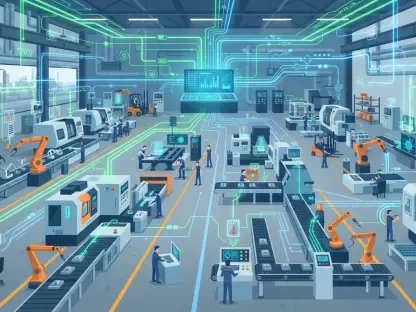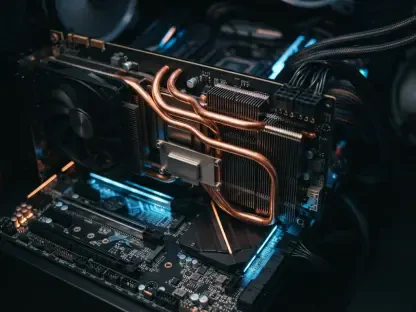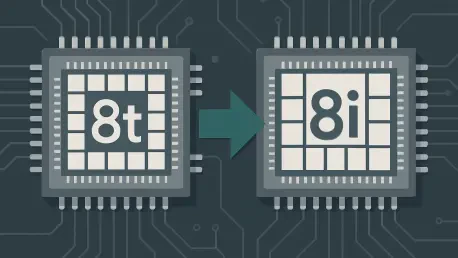

Power decisions that once required night-long simulations now had to be made between scheduler heartbeats as AI clusters pushed against power limits and procurement cycles, turning energy from a back-office metric into a gating factor for throughput. As data centers edged toward consuming a

Signals moved through social feeds faster than media plans could catch them, and budget owners increasingly demanded creator programs that turned cultural spark into accountable sales within days, not quarters. Against this backdrop, RAD Amplify, the audience intelligence and creator marketing arm

Quarterly plans now hinge on streaming dashboards, real-time alerts, and automated triggers that claim to capture a market’s pulse in seconds yet often mask the hard work of framing the right questions and interpreting messy signals under pressure. The promise sounds simple: more sensors, more

A teller at a Kumasi branch texts a customer in Asante Twi, a reporter in Ho records an Ewe interview, and a fintech in Accra checks onboarding documents while a voice bot greets callers in Ga—each task looks routine until an AI system drops a tone mark, misreads a dialect, or invents a phrase that
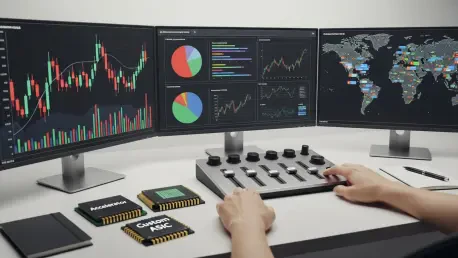
Venture capital chases models, hyperscalers race to wire new regions, and power grids strain as training clusters swell—all while AI infrastructure spending tracks toward more than $200 billion by 2027, turning data center silicon into the market’s most contested profit pool. That surge did not

Screens flicker, order books refill, liquidity pivots, and a single millisecond stretches so long that price, flow, and intent rearrange themselves before most models complete a batch. In that moment, a “price” is not a number; it is a rolling conversation stitched from trades, quotes, funding