
The rapid evolution of large-scale diffusion models and generative pre-trained transformers has transformed the landscape of modern advertising from a manual craft into an automated high-velocity production line. Today, the challenge is no longer the generation of visual or textual content, as

The sudden transition from reliance on massive, centralized data centers to localized high-performance computing represents one of the most significant shifts in the digital architecture of the late twenty-twenties. Tether’s AI Research Group has catalyzed this movement by releasing the open-source

The conventional boundaries of corporate productivity are dissolving as autonomous digital entities transition from passive conversational tools into proactive participants that manage complex operational pipelines without constant human intervention. NVIDIA has catalyzed this transformation by

The era of navigating convoluted decentralized finance dashboards and manually inputting complex hexadecimal addresses is rapidly coming to an end with the official launch of the Model Context Protocol on the Base network. As of May 26, 2026, the integration of advanced artificial intelligence
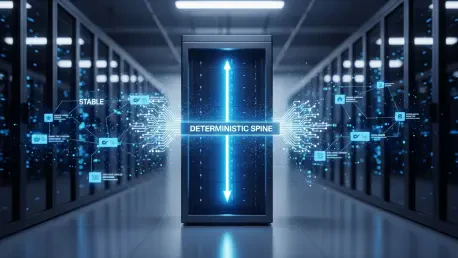
The silent collapse of a multi-million-dollar automated supply chain workflow often begins with a single timed-out request to a remote server, leaving an enterprise agent stranded in a digital vacuum without a map or a memory. This fragility represents the hidden cost of the initial wave of

The arrival of autonomous agents capable of identifying and weaponizing software vulnerabilities in mere minutes has effectively neutralized the luxury of time that security teams once relied upon for defensive operations. This shift represents a fundamental transition from human-led exploitation