
Lines move faster when tech does the heavy lifting, but convenience only works when choice stays in your hands at the gate. Disneyland has introduced facial recognition at select entrance lanes, framing it as a way to speed reentry and curb fraud. That promise sounds appealing, yet it also raises practical and privacy-focused questions for anyone who prefers a traditional check.
This FAQ lays out how the system works and exactly how to avoid it. The aim is to make the decision straightforward: understand the tech, know the signage, choose the lane that fits personal comfort, and get on with the day inside the park.
Readers can expect clear steps for opting out, details on data handling and retention, and balanced context on the trade-offs between speed and control. The focus stays on what matters at the turnstiles, not abstract debates.
Key Questions or Key Topics Section
What Is Disneyland’s Facial Recognition at the Gate?
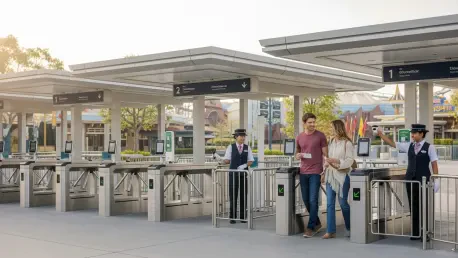
Facial recognition appears in designated entrance lanes at Disneyland and Disney California Adventure. The concept is simple: a camera captures an image, the system compares it to the face associated with the ticket or pass, and reentry becomes more seamless across the day.
According to the parks, images used for matching are converted into numerical templates and routinely deleted within a short timeframe. The technology aims to reduce misuse of tickets and tighten efficiency, particularly during peak arrivals.
Can Guests Opt Out Completely?
Yes. Participation is voluntary. Guests can choose non-biometric lanes where standard ticket validation takes place. This preserves the familiar process: a Cast Member scans the ticket or pass and verifies entry without using facial matching.
It is worth noting that cameras may still capture images in these lanes for operational reasons, but those images are not converted into biometric templates. In other words, opting out avoids facial recognition processing while still allowing the park to manage normal security and crowd flow.
How Do You Use Non-Biometric Lanes at the Esplanade?
Start at the main entrances along the Esplanade, the shared area between the two parks. Look up: overhead signs mark lanes. Select an entrance lane that simply says “Entrance,” rather than one branded for facial recognition. If uncertain, ask a nearby Cast Member to confirm the non-biometric option.
Once in the correct lane, hold the ticket or pass ready for manual validation. Keep the same item handy for reentry later; consistent use speeds the process without relying on facial matching. This small habit helps maintain a smooth day while preserving control over biometric data.
What Happens to Images and Data If You Opt In or Out?
In lanes using facial recognition, the system creates a numerical representation of facial features for matching and deletes that data within about a month. This limited retention window is designed to balance operational needs with privacy safeguards.
In contrast, non-biometric lanes do not convert images into templates at all. While incidental images may exist briefly for routine security purposes, they are not used for facial recognition. This distinction lets guests calibrate comfort levels: choose speed with a short-lived template, or choose manual checks with no biometric conversion.
Summary or Recap
Disneyland offers two parallel entry experiences: biometric lanes that use facial recognition for faster reentry and non-biometric lanes that keep things manual. The choice is explicit at the Esplanade, where signage guides guests to the right line and staff can confirm the selection.
Opting out means picking a lane labeled “Entrance,” presenting a valid ticket or pass, and preparing for a quick manual check. Opting in means standing in a facial recognition lane, allowing an image capture, and benefiting from automated matching within a limited data-retention policy.
For deeper details, review the latest park entry and privacy notices on official Disneyland pages, or speak with Guest Relations on site for clarification tailored to specific circumstances.
Conclusion or Final Thoughts
The best plan mixed clarity with simplicity: decide on a comfort level, scan the signage, and head to the appropriate lane. Guests who prioritized control chose non-biometric entrances and kept their tickets ready for smooth repeats throughout the day.
Those who leaned into speed accepted the facial match and benefited from faster reentry, knowing templates were scheduled for deletion within a short period. Either way, a quick question to a Cast Member at the Esplanade solved lingering doubts, and a few seconds of attention at the gate set the tone for an easier, more confident park experience.