
Traditional telecom networks have long been viewed as rigid labyrinths of copper and glass, yet a profound systemic metamorphosis is currently turning these static utilities into sentient digital nervous systems. While many corporations are still experimenting with localized chatbots, Deutsche
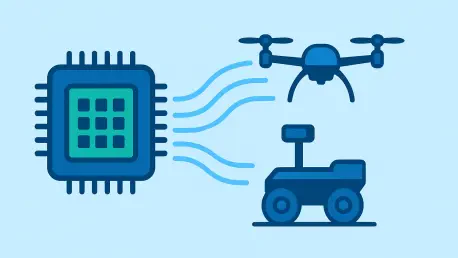
Scheduled for a debut at the AUSA Annual Meeting, this technology represents a significant leap in the scalability of AI-driven autonomous capabilities. The modern battlefield demands systems that operate without the luxury of constant connectivity, making the collaboration between Qualcomm

Supply-chain poisoning remains a significant threat to Muse, as seen when a large percentage of its open-source predecessor’s plugins were found to be malicious. This structural vulnerability has cast a long shadow over Meta’s late 2026 launch of its autonomous AI agent, which was marketed as the
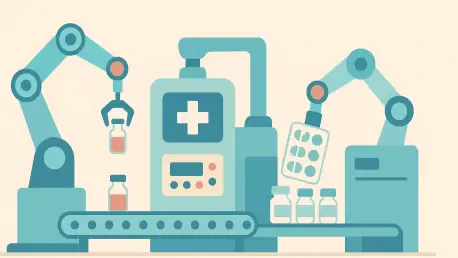
The pharmaceutical industry is currently facing a massive bottleneck due to the manual labor required to manufacture complex cell and gene therapies. This challenge has historically kept life-saving treatments prohibitively expensive and difficult to distribute on a global scale. However, the

Google has officially integrated XR devices into the Android Enterprise framework, allowing IT departments to manage headsets with the same security protocols as corporate smartphones. This milestone marks a definitive shift in the corporate technology environment, which is currently undergoing a

Behind the curtain of every conversational chatbot and generative art model lies a brutal architectural war where physical silicon is reshaped to meet the voracious appetite of modern neural networks. This evolution represents a silicon renaissance, proving that the meteoric rise of artificial