
Retailers across the globe are currently witnessing a seismic shift as social media platforms evolve from mere advertising windows into fully autonomous commercial ecosystems where transactions happen in real time. Meta has introduced a sophisticated Business Agent that fundamentally redefines the
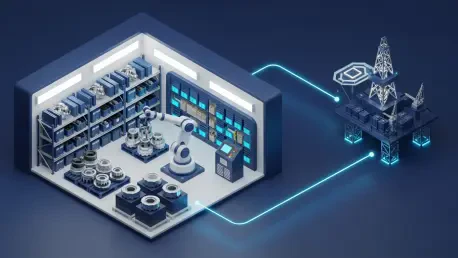
The relentless evolution of enterprise software has reached a critical milestone where energy conglomerates are no longer satisfied with simple data alerts but are instead demanding systems that can think. This paradigm shift is currently being led by Shell, which has moved beyond conventional

The integration of autonomous agents into the DevOps pipeline has moved beyond experimental automation to become the primary engine of software delivery, yet this very speed now poses a structural threat to the integrity of production environments. As organizations in 2026 grant these tools

Laurent Giraid is a seasoned technologist whose work sits at the intersection of high-performance machine learning and the evolving ethics of enterprise AI. With a career dedicated to deconstructing how natural language processing integrates with hardware, he has become a leading voice for

The transition from military service to civilian life often carries invisible burdens that manifest in medical records as complex narratives rather than simple checkboxes. Research from the University of New Mexico School of Medicine has identified a massive visibility gap within the Veterans

The relentless proliferation of autonomous machine identities has silently outpaced the ability of human security analysts to monitor and govern digital access across decentralized cloud environments. In the brief moment required to scan this paragraph, thousands of service accounts, API keys, and