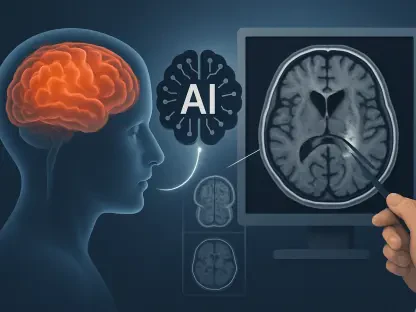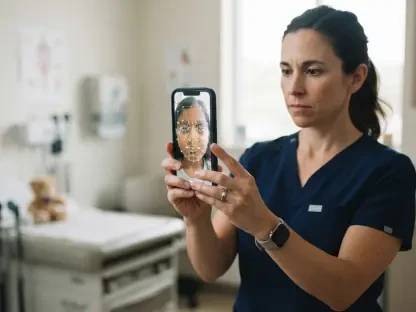

Foundation models trained on vast medical datasets can be fine-tuned to recognize rare subtypes of lung adenocarcinoma even when specific data is scarce. The current healthcare landscape has moved beyond isolated clinical snapshots, embracing a period where every byte of patient information

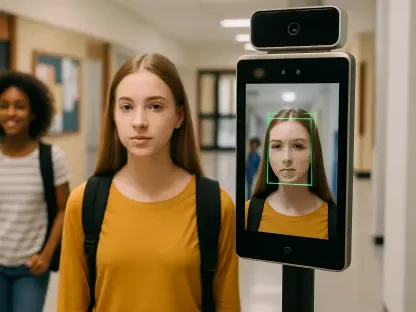
Walking into a grocery store should be a mundane chore, but for some London shoppers, the simple act of browsing has transformed into an exercise in high-tech scrutiny where features are converted into digital fingerprints. The suspension of live facial recognition in London follows a recurring
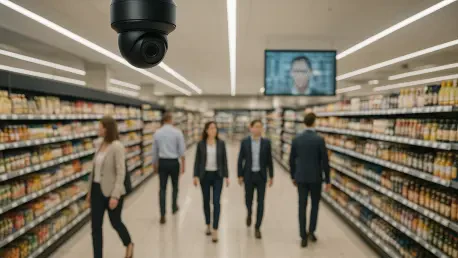
A misplaced alert from an AI-driven security system recently resulted in an innocent shopper being publicly shamed and escorted out of a grocery store. This incident highlights the growing friction between loss prevention strategies and the basic dignity of the average consumer. As retail outlets
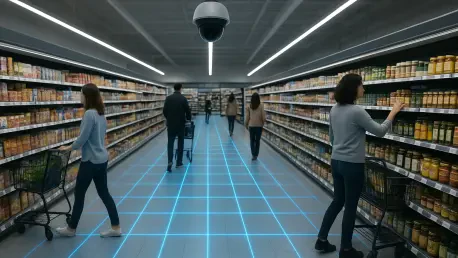
Facewatch claims its biometric network has successfully prevented over £64 million in potential theft, yet high-profile errors continue to undermine public trust in the software. When a shopper at a Sainsbury’s location found themselves wrongly identified as a person of interest, the ensuing

The rapid transition toward automated surveillance in retail environments often occurs without public consultation or clear legal frameworks to protect falsely accused consumers. A recent incident at a major Sainsbury’s branch has brought these issues to the forefront, as a customer was wrongly

Civil liberties groups like the ACLU maintain that the government is conducting mass surveillance on Americans engaged in public protests without obtaining the necessary warrants. This shift from manual observation to automated analysis marks a turning point in how federal agencies interact with