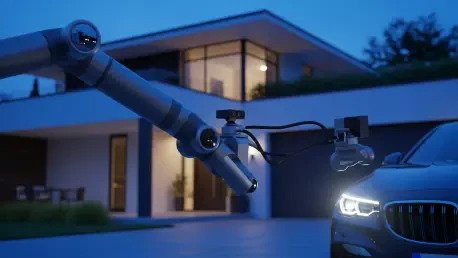
The transition toward fully autonomous electric mobility has long been hindered by the physical requirement of manually connecting a heavy charging cable to a vehicle port, a task that remains frustratingly analog in an increasingly digital world. Xiaomi recently addressed this friction point by
The rapid evolution of wearable technology has brought the world to a critical juncture where the thin line between helpful digital assistance and invasive surveillance is increasingly blurred for the average consumer. While the hardware capabilities of modern smart glasses allow for seamless

Traditional grocery shopping has long been defined by the repetitive motion of loading items into a basket only to unload them again at a crowded checkout lane, but this antiquated cycle is finally meeting its match through a sophisticated technological intervention. Weis Markets recently initiated

The rapid evolution of generative technologies has moved beyond simple experimentation to become a foundational component of modern industrial design and corporate communication strategies. As the digital landscape becomes increasingly saturated with automated content, the demand for precision and
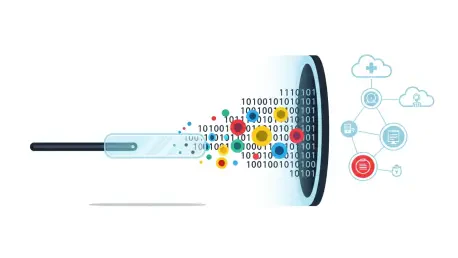
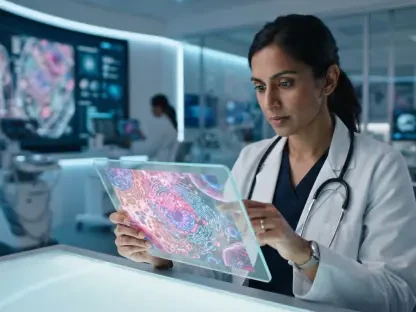
The diagnostic landscape has reached a pivotal juncture where the demand for precise oncological assessments frequently outpaces the physical capacity of human experts to review glass slides under traditional microscopes. While digital pathology has existed in various forms for decades, the current

The modern suburban landscape has transformed into a patchwork of digital eyes that capture every movement, often without the explicit knowledge of those being observed. This technological shift reached a critical legal threshold recently as Charles Sigwalt filed a significant class-action lawsuit