
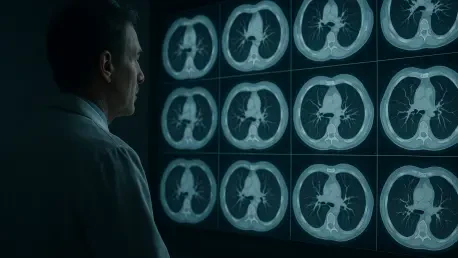
While clinicians rely on the PaO2/FiO2 ratio to gauge oxygenation efficiency, these traditional markers often lack the foresight needed to predict a patient's trajectory in real time. In high-pressure environments like the intensive care unit, the window for intervention is often distressingly
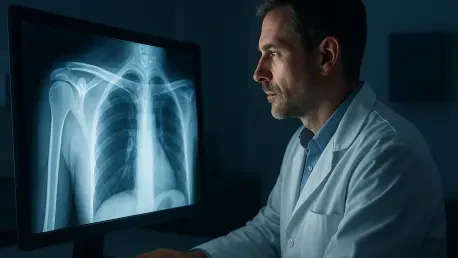
A multidisciplinary team at Xinjiang Medical University developed the WEM-Mamba model to extract hidden diagnostic signals from conventional X-rays. Shoulder pain remains a significant clinical challenge in 2026, often stemming from rotator cuff tears that result in chronic disability and long-term

The upcoming transition to a digitized border is specifically designed to address technical delays caused by failing passport chips or documents positioned incorrectly on scanners. The United Kingdom is currently undergoing a landmark overhaul of its border control infrastructure, signaling a

The global defense landscape has shifted from physical borders to the algorithmic integrity of the systems that manage our most critical infrastructure and private data streams. As nations scramble to integrate machine learning into governance, the focus has pivoted toward ensuring these systems

Scheduled for a debut at the AUSA Annual Meeting, this technology represents a significant leap in the scalability of AI-driven autonomous capabilities. The modern battlefield demands systems that operate without the luxury of constant connectivity, making the collaboration between Qualcomm

Clinical management of gastric cancer is currently hindered by a chronological gap between the initial diagnosis and the confirmation of vascular invasion. This delay often places medical professionals in a precarious position where treatment strategies must be formulated based on incomplete