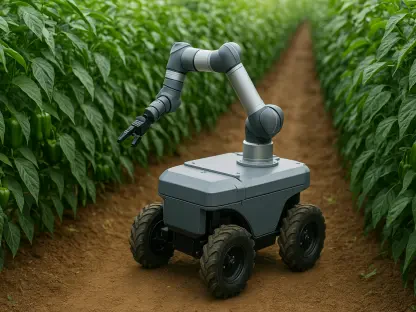
The robotics industry is moving toward a unified architecture that harmonizes AI models, sensors, and real-time control software into a single scalable system. This shift addresses the long-standing "Frankenstein approach" to robotics, where disparate components were stitched together with brittle

Suno has transitioned from a disruptive outsider to a collaborative partner by securing a landmark licensing agreement that resulted in the dismissal of copyright lawsuits. The music world is witnessing a tectonic shift as the lines between silicon-based synthesis and traditional recording studios

An atomic force microscope operates much like a high-tech record player needle, physically feeling the landscape of a sample and creating complex data that can be difficult to interpret. Traditionally, this process has demanded the constant attention of highly trained specialists who must interpret

Australian insurers are currently pressured to modernize because of intensified competition from AI-native InsurTech entrants that lack the burden of legacy technology. This shift has occurred against a backdrop of increasing environmental volatility, where severe weather events like the floods in

CISOs are being forced to evolve from technical managers into risk communicators as the security function becomes inextricably linked to organizational resilience. This transition is being accelerated by the unprecedented rate at which generative artificial intelligence has penetrated the modern

Data governance for embedded environments must extend beyond the visualization layer to ensure that exported CSV and Excel files retain the same row and column restrictions. In the current high-stakes environment of 2026, the demand for sophisticated, real-time data insights has forced