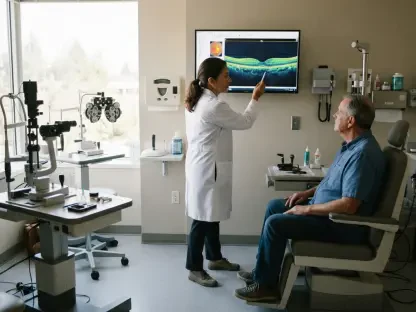

Digital landscapes have historically favored the attacker, but the emergence of specialized machine learning architectures is finally tipping the scales toward a proactive, self-healing infrastructure. This transition marks a critical turning point where artificial intelligence moves beyond being a
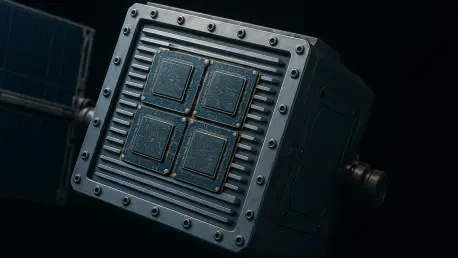
Internal estimates suggest that orbital computing will only be commercially viable if launch costs drop to approximately two hundred dollars per kilogram via heavy-lift rockets. Despite this formidable financial barrier, Google is moving ahead with its latest initiative to solve the terrestrial

High-end spatial computing is entering a new phase where the physical comfort of the user is considered as vital as the internal processing power of the machine. For years, the industry struggled with the cumbersome nature of head-mounted displays, often resulting in physical strain that limited

Ericsson expects high-priority systems to adopt quantum-resistant standards by 2031 with a complete network-wide migration targeted for 2035. This directive marks a fundamental pivot in how global telecommunications infrastructure is conceptualized, transitioning from a pipe for data into a

Automating preclinical work through AI simulations allows pharmaceutical firms to bypass many of the manual trial-and-error phases of traditional laboratory research. By the fall of 2026, artificial intelligence has transitioned from a speculative technological trend into the primary engine driving

The official recognition of DiUS and V2 AI by AWS marks a fundamental shift from experimental generative models to autonomous agents integrated into live production environments. This transition signals a major maturation in the Australian and Asia-Pacific technology sectors, where organizations