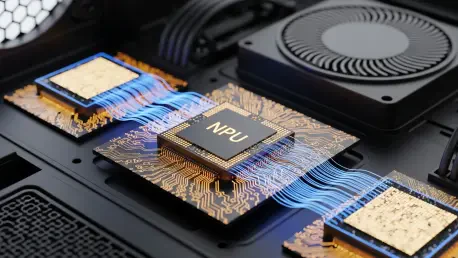
The personal computing landscape is undergoing a quiet yet monumental transformation, fundamentally redefining the relationship between users and artificial intelligence by shifting processing power from distant cloud servers directly onto the desktop. For the better part of a decade, interacting

The long-promised future of all-day, wearable augmented reality glasses has been consistently hampered by the fundamental constraints of physics, where bulky optics, inefficient power consumption, and mediocre visual fidelity have kept mainstream adoption at bay. At the recent SPIE Photonics West
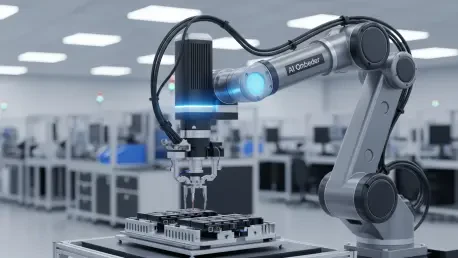
The relentless push for real-time data processing and artificial intelligence at the network's edge is creating an insatiable demand for more powerful, compact, and efficient computing solutions. ADLINK Technology is addressing this challenge head-on with the introduction of its Express-PTL COM
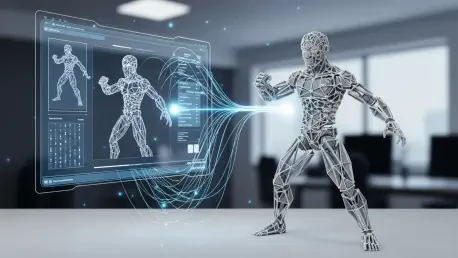
The monumental challenge of generating fluid, realistic 3D animation from the limited information of a single static image has long been a bottleneck for creators across digital industries. DeformSplat technology represents a significant advancement in the 3D content creation industry. This review

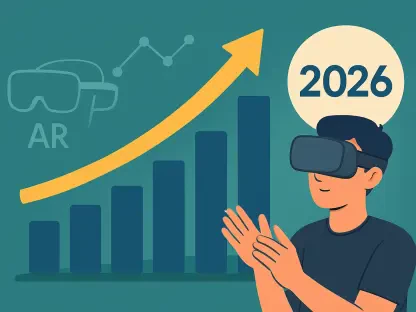
The very fabric of the shopping experience is being rewoven as augmented reality transitions from a technological novelty into a powerful, mainstream business tool, fundamentally altering how consumers interact with products and brands. A comprehensive market analysis projects a staggering surge in

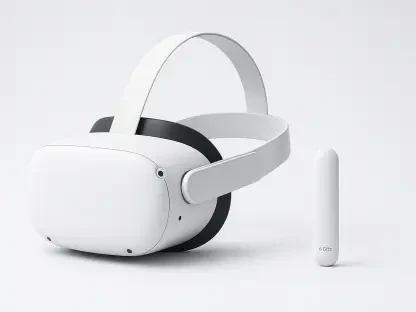
The unexpected surge in popularity for a cutting-edge piece of wearable technology has created a unique challenge, effectively halting its global expansion due to overwhelming success in its initial launch market. This is the precise situation Meta is now navigating with its highly anticipated Meta